Cover article in Finance Monthly
Welcome to 2020!
Press on the cover below to read the full article on the front cover of this month's Finance Monthly written by Charlie Reading:



Welcome to 2020!
Press on the cover below to read the full article on the front cover of this month's Finance Monthly written by Charlie Reading:

Please find below a link to the Planning and Implementing a Successful Exit from Your Business guide from our very own Charlie Reading.


Please find below a link to the PMX guide where our very own Tom Senogles article 'How to grow your business during lockdown'
It was also featured in Financial Times online. You can see the link by pressing here
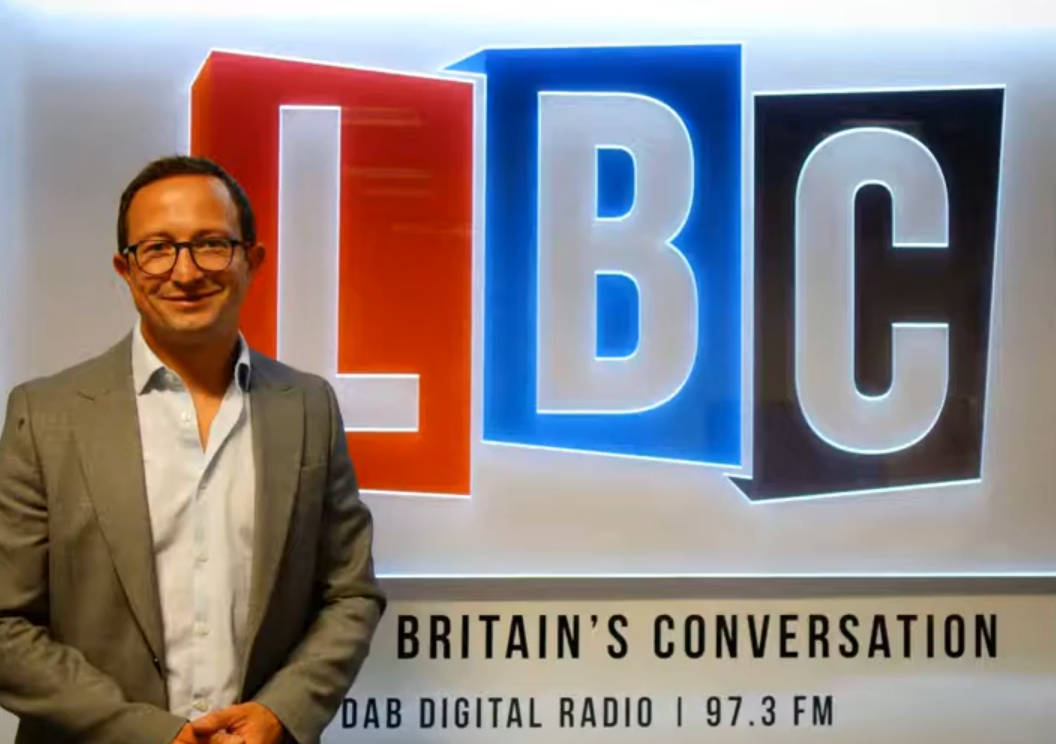
In July 2020, our Director, Charlie Reading, was once again asked to appear on the Clive Bull show on LBC Radio. Listen to the full broadcast here.
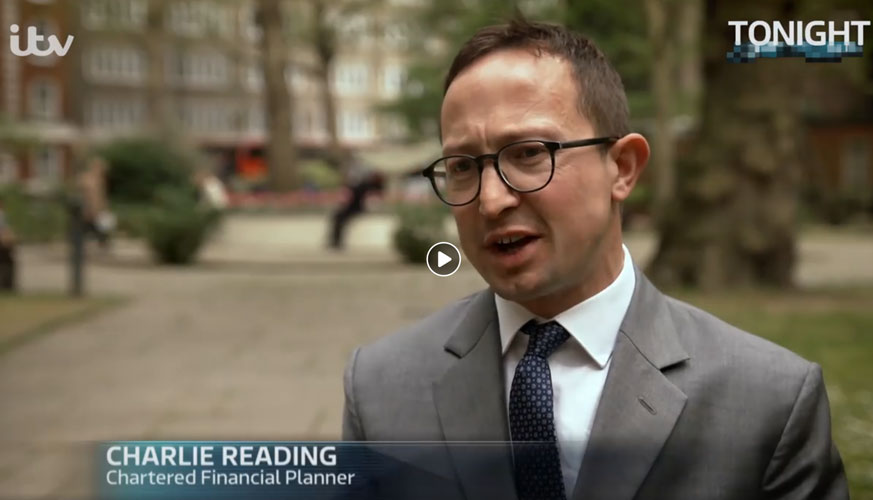

Winners of the Mercury Business Awards 2019 crowned at Greetham Valley with a celebration of the best in Stamford, Rutland and Bourne
The winners of the 14th annual Mercury Business Awards were crowned at a glittering awards ceremony tonight (Friday, September 20) at Greetham Valley.
After months of anticipation, the finalists, main partners, category and associate sponsors, judges and guests gathered at Greetham Valley to celebrate all that is great about business in the Stamford and Rutland area.
Hosted by Rutland Radio's Rob Persani, the winners in 10 categories each took home a trophy made from Lincolnshire Limestone which was kindly supplied by Clipsham Stone Cutting Company. There were 27 businesses represented with three shortlisted in each of the categories.
Addressing the audience of more than 260 guests, Rutland and Stamford Mercury editor Kerry Coupe said the evening was "about celebrating the best of our community" and said the standard of entries had once again been incredibly high.
The evening began with a drinks reception, kindly sponsored by Moore Thompson, and canapes, giving guests an early opportunity to network.
Before the meal, Claire Lomas, who was left paralysed from the chest down after a horse riding accident in 2007, talked about what gave her the motivation to battle back.
During a delicious meal, guests had the opportunity to enter a prize draw and donated generously to the Mercury's nominated charity The Nicholls Spinal Injury Foundation - a charity close to Claire's heart. Prizes included a unique framed star-map of the night sky above Greetham Valley; two vouchers for Stamford Shakespeare Company's 2020 productions at Tolethorpe; and a golfing voucher. More than £1,300 was raised from the draw.
During the awards ceremony, videos produced by Leo Media, were shown throughout the presentation giving guests a flavour of each business or individual and why they deserved to be finalists.
The winners were:
Mercury editor Kerry Coupe said afterwards: "Once again the Mercury Business Awards were a tremendous success and we were delighted to share the amazing achievements of our winners and finalists, all of whom should be congratulated.
"My thanks also go to our sponsors and supporters - without you the event just would not be possible - and especially to Greetham Valley, who once again were fantastic hosts. It really was an amazing night."

This informative article published by the Million Dollar Round Table has an article written by our very own Charlie Reading!

Around the end of 2015, having not long completed the 142-mile bike ride through the Welsh mountains known as The Dragon Ride, I was looking for inspiration for my next challenge. Do I cycle longer, higher, or something else? I started to read Rich Roll’s ‘Finding Ultra’ an inspiring story of a mid-life crisis suffering 40 year old that is an overweight, unfit alcoholic, that ends up becoming a vegan and then an Ironman.
Could I do a triathlon in 2016? I hadn’t run or swam since school, and was pretty rubbish at both then, but having gained my confidence with cycling, why couldn’t I master them too. I dared to dream big, and I set myself the challenge of completing a ½ Ironman by the end of the following year, and so it was. I also set myself the 3-year goal of an Ironman, although that was something that I really wasn’t sure would ever be possible. It seemed so unattainable; I nearly didn’t bother writing it down. After all, running a marathon after 112 miles on the bike and a 2.4-mile swim. That is no mean feat!
Two times age group world champ, Roger Canham, had been helping get my training on track, and my race plan in order, and a final lunch meeting the Monday before had proved crucial in filling in some vital gaps. Who’d have thought that popping salt tablets before and during the race, elastic bands around caps and taking sponges into the portaloo would be a thing, but you would not believe how key little tips like that were to successfully finishing. I am a big believer that if you want to succeed at something, you need to find the best people you can and learn as much as you can from their experience.
At the airport I started to see other people pushing bike boxes too. The tribe was coming together. I felt like I looked the part, as Roger had lent me his bike box which was covered in stickers from world championship race after another. The flight was on time, which was a relief because only a few days before did I realise that the race briefing, where you find out some of the specifics of the race, was going to take place less and an hour after I was due to arrive, a day before I was expecting it. My ongoing hatred of car hire companies was then to be enhanced when, on arrival, they didn’t have a car for our booking. The 2-hour delay cost me the race briefing, but fortunately Mum and Dad had landed a day earlier, so they hot footed it down to the race village to record the briefing. I can only imagine the looks they got from my fellow competitors trying to work out which one was racing!
Registration was my first experience of the Ironman phenomenon. Into the village I went, collecting my race pack, my long-awaited Ironman rucksack, the envy of those that haven’t got one, and then into the Ironman store. Devoted fans queued to hand over their hard-earned cash in exchange for anything with the famous IM logo, many of which had already had this tattooed onto their calf muscles following previous events. I will know that Efficient Portfolio has made it when people are getting our logo tattooed onto their skin! I couldn’t bring myself to buy anything yet though, I didn’t want to jinx my race prematurely.
There were so many things going through my head. Will I be able to reconstruct my bike, will it be intact, what have I forgotten, and what are the unknown unknowns? The day before was about getting everything into the right race bags; 5 in all. One for before and after, one for the bike leg, one for the run leg, and 2 ‘special needs’ bags that would be placed on the course should I need additional supplies. I took the bike out for a half hour ride to check everything was in working order, including my legs! I tried for the first time to put my cycle shoes on whilst in motion on the bike, to save time in transition as with a 1km line of bikes to get through, I didn’t want to be doing that on tiptoes in my cycling shoes if I could help it. I failed tragically at that and resigned myself to having to put them on after crossing the bike mount line. Turns out that was the wrong call.
Next stop was back to Ironman village to rack my bike and hang up my bags ready for the early start the following day. Walking the 1km through transition, seeing some of the most impressive bikes I have ever seen, the nerves were jangling. I noticed some people had attached small elastic bands to the back of their shoes on the bikes so that they could easily pop their feet into them after already jumping aboard. That is where I had been going wrong. Too late now.
Leaving transition without bike or bags was both a relief and a worry. Nothing I could do now… except spend money on Ironman branded attire. The queue was longer than the before, and things were starting to run out. Forget jinxing the run, I needed Ironman branded stuff and now!
Dinner was tricky; I needed large amounts of pasta, which shouldn’t be difficult in Italy, but almost nowhere was serving food until 7. I didn’t want to wait, and we finally tracked down a local establishment that could deliver the huge helping of seafood pasta my final preparations required. Prego, I was ready to race!
After an early start, my usual breakfast with added beetroot juice and salt tablets, we jumped in the car at 6am. By 6.30 I was in transition getting my final bike checks done, applying body glide to avoid sores; no not where you are thinking, around my neck; and then donning my wetsuit.
I arrived at the beach to see a calm Adriatic Sea in front of me. Brilliant news, as only 2 days before the waves had been crashing in under a red flag. If they cancel the swim, they usually add more running, which is awful news; both because of the extra running, but because you can’t truly say you’ve completed an Ironman without getting into the water! The swim was on, and wetsuits were allowed. That was a relief, as I was already wearing mine! I was welcomed to the start line by the music from Gladiator… let the battle commence.
Once the pros were in, the rolling start of the age groupers (me and 3000 other people from around the world) commenced, with 6 athletes entering the water every 5 seconds. Quite a sight to see. It worked flawlessly. With Seven Nation Army by The White Stripes blaring away in the background, my time came at around 8am. I was in the water.
The swim went well. No major surprises. The high salt level of the water led to a numb tongue after just 15 minutes, a first for me, but I’d read about that happening to someone the year before, so it didn’t worry me. I didn’t want to push myself too hard. A 2.4-mile swim is no mean feat anyway, but as far as the day goes, this is the thin end of the wedge. I’d targeted 1 hour 15 minutes for the swim, so as I exited the water and saw 1 hour 5 minutes on my Garmin, I was delighted. And I felt good.

Through the shower to rinse off the saltwater, I headed towards transition, and was delighted to see Caryl and my folks shouting and cheering me on. Now I was feeling even better. In transition, I battled to put on my tri top; perhaps I should have swam in that too, I thought. I hadn’t been liberal enough with the body glide, and so I had a sore patch on my neck that screamed at me as I sprayed it with sunscreen. No time for pain now though. I have a bike to ride.
I didn’t quite get the bike element of the transition right and wasted a good couple of minutes faffing with gloves that I later concluded were not needed and not putting my helmet on soon enough. I do hope that doesn’t cost me a time landmark, I thought. People had kept asking me in the lead up to the event what time I was hoping for. I said 12 hours to some, and 13 to others, as I had no idea. One experienced running client looked in shock when I said 12 hours, and said that would be a struggle to beat, so I really had no idea, but in the back of my mind, I really wanted less than 12 hours.
The bike ride was a mostly flat 112 miles. We went out through the salt plains, where Flamingos were supposed to be; I’d been mis-sold, there were none. No time to worry about that now though. I’d targeted an average speed of 18mph for the ride, which would bring me in a little over 6 hours. After the salt plains we went through fruit farms followed by vineyards, through the beautiful town of Forlimpopoli with its stunning castle in the centre and then onto the one climb of the route. A long drag up to another beautiful town called Bertinoro, with its striking fortress and view back across to the Adriatic sea from which we had come. We did 2 laps of the route, and as I headed back towards Cervia after the second lap I was delighted to have maintained an average speed of over 20mph. Again, way ahead of my expectations and time wise meant I finished that leg in 5 hours and 35 minutes, over 30 minutes quicker than I’d expected.
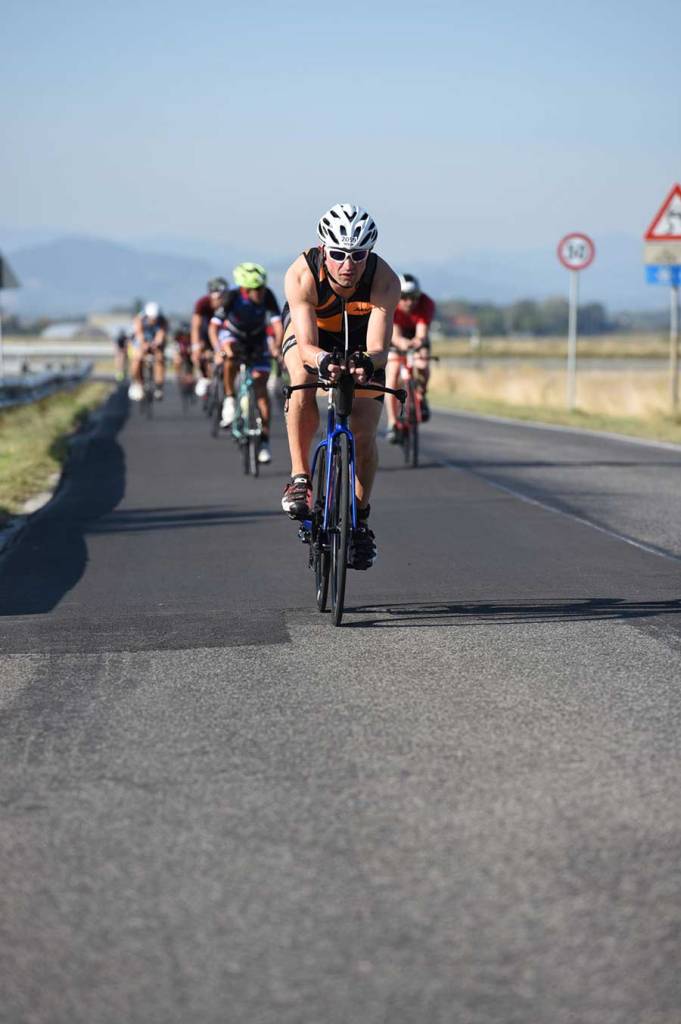
Even better, I was still feeling good. I had spent the time on the bike loading up with energy bars and salt tablets, in preparation for a hot and long marathon. Bizarrely though, I was really looking forward to it. Transition from bike to run, or T2 as it is known, went more smoothly, and in no time I was out running down the streets of Cervia, along the coastline, weaving through tree lined avenues and through old market squares rammed full of enthusiastic supporters.
My only prior marathon had been in Brighton in April, when I came in after 3 hours and 57 minutes, but that wasn’t as part of an Ironman. I’d been told to assume that an Ironman marathon would take me ½ hour longer than one of its own, so I was assuming 4 ½ hours, but again, I’d never run anything like this distance in a multisport event, so you really have no idea.
Towards the middle of the first lap I first spotted my Dad, and then Caryl with my Mum. At an event like this, it is brilliant to have strangers cheering you on and shouting your name, but it is no comparison to seeing the faces of the people you love encouraging you to continue. I was in buoyant mood and bouncing along at a really good pace. Perhaps too good a pace, but my heart rate remained under 150, and that was my main focus for the first hour to ensure I lasted the distance!
My plan for the run included what is known as a Run/Walk/Run strategy. Having played around with it in Brighton and in training, I had concluded that it was the best way to maintain a good pace, and to reduce the risk of injury. My plan, as with Brighton was to run for 9 minutes, walk for 1 minute, then repeat. Whilst it makes you slower at the start of the run, in a marathon, and particularly in an Ironman it is more about slowing down less than other people, and so by the end of the race you are in far better shape to maintain a good pace.
My legs still felt good on the second of the four 6.5 mile laps, but my stomach was starting not to. All those energy bars, gels and isotonic drinks were starting to slosh around inside me, and it wasn’t comfortable at all. It was a fine balance between getting enough inside me to keep going, and not putting enough inside me to be ill. I could feel I was on the brink of both.
The third lap was when I started to hit some dark places. My stomach was feeling worse, and even flat coke, a good solution for an upset stomach, was making it worse. I concluded that my stomach was the biggest risk to me not finishing the race, so for the 4th and final lap I decided that I’d be better off not eating or drinking anything, and hope I already had enough fuel inside me to get me to the line. For the first 3 miles of this final 6.5-mile stretch, I started to feel better as my stomach eased. Then came the exhaustion, and instead of almost missing my 1 minute walks because I was happily bounding along as was happening at the start, I was now counting down each and every minute until the next one.
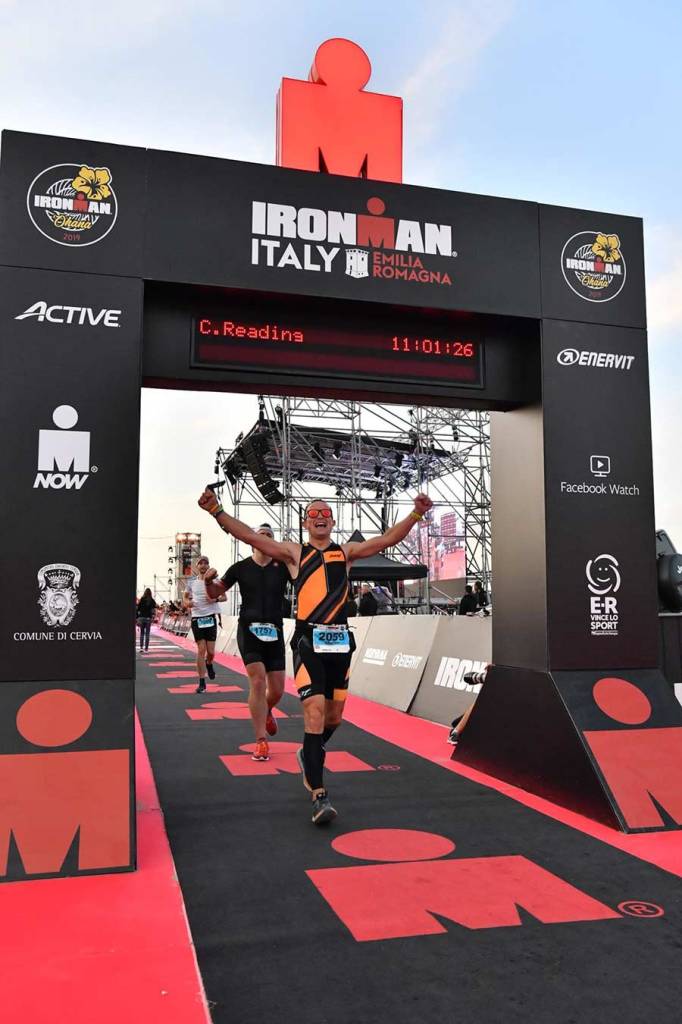
As I persuaded myself to run again with 2 miles to go after what seemed like the briefest of 1 minute walks, I resigned myself to now giving everything I had left to finish as quickly as possible. Unbelievably I wasn’t far off my 4-hour marathon pace, and with one last push, I may sneak under an 11 hour finish. That would be a whole hour better than I had dreamed of. I gave it everything I had, and as I crossed the finish line, my watch said 10 hours and 58 minutes. Amazing. Sadly, the official timing chip didn’t agree, and my official time was 11 hours and 1 minute! If only I hadn’t bothered with those blasted bike gloves!

All I could do at that point was to sit. I had given everything. There was a huge wave of excitement, exhaustion and achievement running through me, and I just needed 5 minutes to myself to collect my thoughts before I went off to celebrate with my loyal supporters.
Over the course of that weekend some 7000 competitors descended on Cervia to complete in either the Ironman, the half Ironman, an Olympic distance triathlon, a night run and even an Ironkids event. That is the largest of any Ironman weekend on the planet. The organisation, the spectacle and the people were just amazing. I couldn’t fault a single element. Every one of them had their own battle to fight. In the Ironman event we saw one competitor with one leg, and another with none. The strength in character of these people, and all of them for that matter, is something quite special.
When I set that goal 3 years ago, it seemed so unachievable that I nearly didn’t bother. It really is amazing what you can achieve with a clear plan in mind. By setting the goal, you make the commitment, and that gives you to courage to move forward. That courage allows you to find the way, the capability of how to achieve it, and that capability gives you the confidence to get it done. The question now is, what is next for my goals? Almost certainly, it will feature another Ironman at some point. This was too exciting a journey not to want some more!


"YOU can't put off being young until you retire," wrote Philip Larkin in his poem Money.
Nevertheless, many of us spend our best years saving towards a retirement we have no idea if we'll be healthy enough to enjoy.
It's no surprise, then, that a growing number of people are going to major lengths to free themselves from the shackles of obligatory work, some of them as young as 30 years old. Meet the FIRE movement, which stands for Financially Independent: Retire Early.
Espousing the twin benefits of extreme frugality and clever investment, FIRE devotees promise that everyone can become financially independent — which means having enough wealth to live on, for as long as you need it, without working. However, it might mean giving up on gym memberships, meals out and your wine habit.
The FIRE movement first caught hold in America, propelled by cult bloggers such as Mr Money Mustache (mrmoneymustache.com) and podcasts such as Firedrill (firedrillpodcast.com), but is now taking off in the UK.
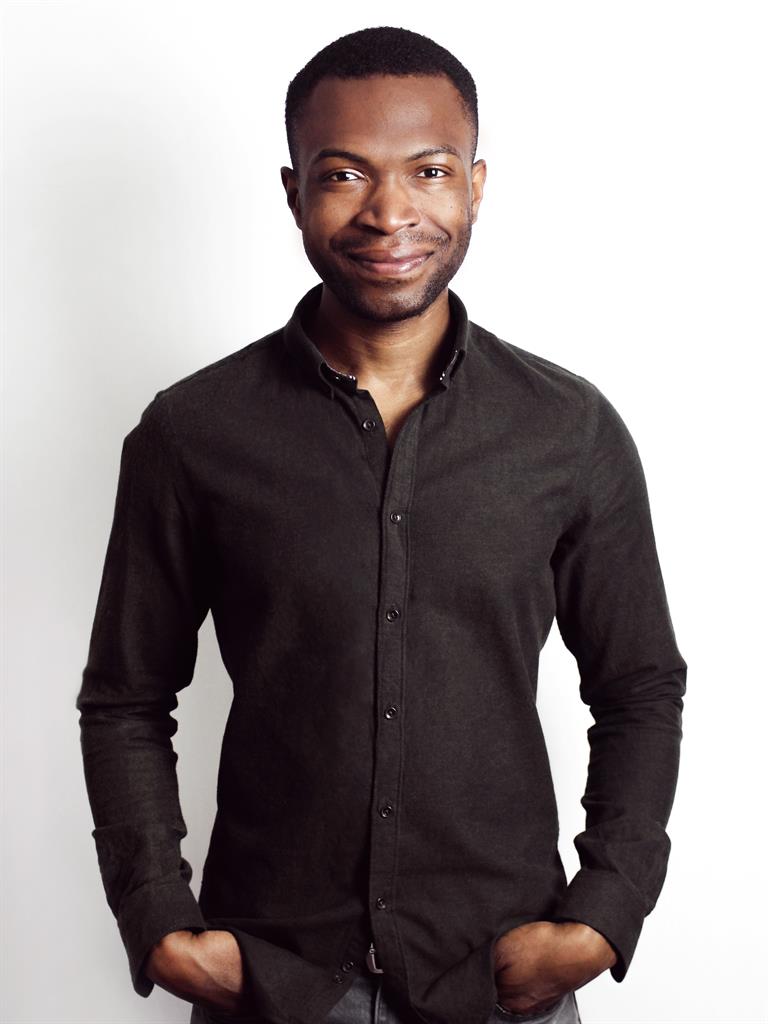
One of the first people to catch on was Ken Okoroafor, aka The Humblepenny (thehumblepenny.com). Despite still choosing to work at an investment company, he claims to have become financially independent at 34 and now spends much of his time running his blog, which is full of advice and tips for the FIRE community. For him, it's more about freeing yourself up to pursue work you love, on your own terms, and to do more of what makes you happy, whether that’s volunteering, spending more time with your family or something creative.
As a top-tier chartered accountant with a first-class degree in economics and accountancy, and holding an MBA from Cambridge, Okoroafor should know more about money than most people. But he says he demonstrates that financial independence is achievable for anyone, no matter their background.
"I wasn't born rich, I didn’t inherit money or go to a private school," says Okoroafor, 35.
While he recognises that the FIRE movement might seem out of reach for those on a lower income, he says it's still possible. "It will take a lot longer with a lower salary," he admits. "But at one point, I didn't even make £5 an hour. Everybody is on a personal development journey and nobody’s income is fixed."
Writer Marie Marshall, 34, is another millennial hoping to live the FIRE dream. She rents a small room in a shared house in Bedfordshire instead of the capital and has been saving almost half her income (which at the moment is around £3,000) each month for ten years, with the aim of 'retiring' at 42. She admits foreign holidays are a rarity and she rarely buys new clothes.
"I run around the park or the street instead of having a gym membership and have friends around for food or go to dinner parties instead of expensive meals out," she says. "Some may think I'm missing out but what I really want in life is to be able to stop working and dedicate some time to trying to write a book. It's not something I can do with a day job. So my aim is to save enough money to be able to stop my daily hustle and only focus on writing, while being able to pay myself a small salary for the next ten or 15 years."
"There is definitely a trade-off," says Okoroafor who, with his wife, shops at budget supermarkets to feed their family of four. The couple chose to live in Dartford (a more affordable town within commuting distance) over London, and swapped an Audi for a used Nissan Leaf.
"You can't have everything," he says. "Or you can but you can have cheaper versions. A big part of it is about maintaining a simple life and we budget religiously. But we're absolutely loving our lives. We go on holiday every year and don’t feel deprived."
Ultimately, even if basic financial stability, let alone independence, seems a far-off dream, there's no doubt more of us are starting to challenge the traditional life trajectory.
"I believe we will see more people of our generation, and the next, look at life very differently," says Okoroafor. "They'll question a lot of assumptions about what we truly need to make life exciting."

Most experts suggest saving about ten to 15 per cent of your monthly income to be able to retire at 65. The FIRE movement suggests saving at least 50 per cent, working on the basis of a safe withdrawal rate (the amount you can spend each year of retirement, without ever worrying about running out of money) of four per cent.
"Someone on £30,000 gets about £2,000 a month after tax," says Charlie Reading, Founder and Managing Director of Efficient Portfolio (efficientportfolio.co.uk). "If they're putting away half of that, to still have that same £1,000 a month to live on after retirement they would need to end up with a capital sum of £300,000 at a withdrawal rate of four per cent per annum. If they saved £1,000 per month and made a return of five per cent above inflation (via investments) each year, it would take them around 16 years to hit their FIRE goal."

The first step in achieving your goals is to discuss your current concerns with one of our qualified Financial Planners.
| Cookie | Duration | Description |
|---|---|---|
| cookielawinfo-checbox-analytics | 11 months | This cookie is set by GDPR Cookie Consent plugin. The cookie is used to store the user consent for the cookies in the category "Analytics". |
| cookielawinfo-checbox-functional | 11 months | The cookie is set by GDPR cookie consent to record the user consent for the cookies in the category "Functional". |
| cookielawinfo-checbox-others | 11 months | This cookie is set by GDPR Cookie Consent plugin. The cookie is used to store the user consent for the cookies in the category "Other. |
| cookielawinfo-checkbox-necessary | 11 months | This cookie is set by GDPR Cookie Consent plugin. The cookies is used to store the user consent for the cookies in the category "Necessary". |
| cookielawinfo-checkbox-performance | 11 months | This cookie is set by GDPR Cookie Consent plugin. The cookie is used to store the user consent for the cookies in the category "Performance". |
| viewed_cookie_policy | 11 months | The cookie is set by the GDPR Cookie Consent plugin and is used to store whether or not user has consented to the use of cookies. It does not store any personal data. |
